# Best Online Logo Digitizing in USA: A Complete Guide
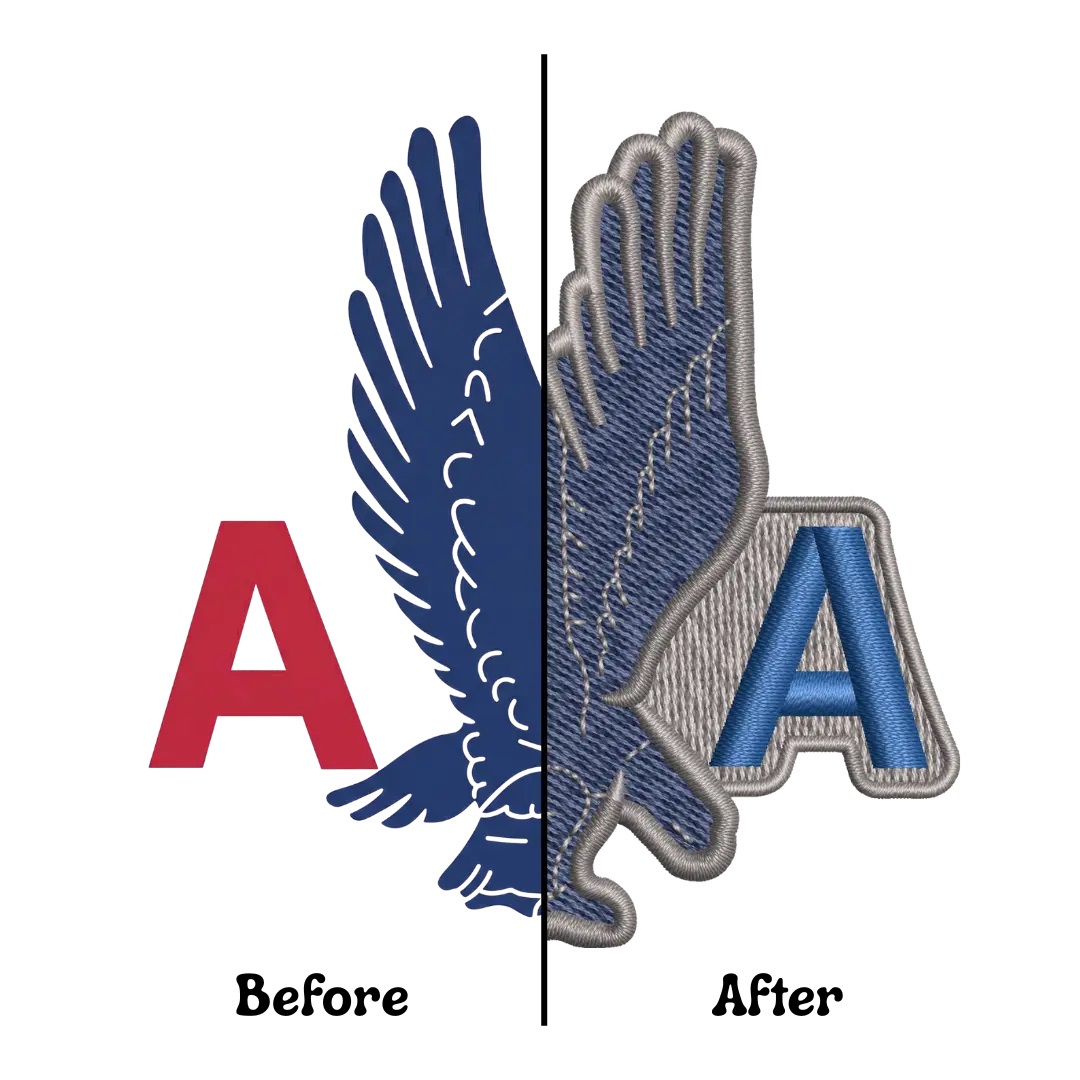
A business logo represents more than the name or symbol of a company. It helps customers recognize a business and creates consistency across uniforms, promotional clothing, caps, jackets, bags, and other products.
When a logo is intended for embroidery, having a high quality image alone is not enough. The artwork needs to be converted into an embroidery file that an embroidery machine can accurately read and stitch.
This process is known as logo digitizing. Choosing ***[best online logo digitizing in USA](https://zdigitizing.com/logo-digitizing-service/)*** can help businesses, apparel companies, embroidery professionals, and individuals receive files that are properly prepared for production.
A professionally digitized design takes factors such as fabric type, embroidery size, stitch direction, thread density, and lettering into consideration. These details can directly affect how the final embroidered logo looks and performs.
## What Is Logo Digitizing?
Logo digitizing is the process of converting artwork into a machine readable embroidery format. Common artwork files may include JPG, PNG, PDF, AI, EPS, or other graphic formats.
These images cannot normally be sent directly to an embroidery machine because the machine requires instructions that define how stitches should be created.
During digitizing, the artwork is recreated using different embroidery elements. The digitizer determines appropriate stitch types, stitch directions, densities, underlay settings, thread colors, and stitching sequences.
The goal is not simply to trace an image. The design needs to be planned according to the characteristics of embroidery. A skilled digitizer considers how thread behaves on fabric and how individual elements will appear after stitching.
## Why Professional Logo Digitizing Is Important
A poorly prepared embroidery file can create problems during production. Common issues include excessive thread density, gaps between sections, distorted shapes, unreadable lettering, thread buildup, and uneven coverage.
Professional digitizing helps reduce these problems by creating a file specifically for embroidery production. The digitizer can adjust the design according to its size and intended application.
For example, a logo designed for a large jacket back can contain more detail than a small logo placed on a shirt pocket. Similarly, embroidery on a cap may require different stitch planning because of the curved surface.
Proper digitizing can also reduce production problems. When stitch placement and sequencing are planned correctly, the embroidery machine can work more efficiently and the finished product can have a cleaner appearance.
## Benefits of Online Logo Digitizing
Online digitizing services provide a convenient way to submit artwork without visiting a physical location. Customers can send their logo digitally, provide the required specifications, and receive the completed embroidery file electronically.
This can be especially useful for businesses that work with embroidery suppliers in different locations. Digital delivery also makes it easier to keep embroidery files organized for future production.
Another benefit is flexibility. A business may need a logo for shirts today and require versions for caps, jackets, or bags later. A professional digitizer can adjust the artwork according to the intended product and embroidery area.
Online services can also save businesses from purchasing specialized digitizing software and spending significant time learning how to create production ready files.
## What Makes a Logo Digitizing Service Reliable?
A reliable online logo digitizing service should combine technical knowledge, consistent quality, clear communication, and dependable delivery. Customers should be able to provide their artwork and specifications without unnecessary complications.
Before making a decision, review available samples, understand the supported file formats, check turnaround information, and confirm whether revisions are available.
Asking questions before placing an order can also help ensure that the final file matches the intended application. The best choice is generally the service that provides an appropriate balance of quality, technical expertise, customer support, delivery time, and cost.
## Frequently Asked Questions
### What is the difference between a logo image and an embroidery file?
A logo image is created for viewing or printing, while an embroidery file contains machine instructions for creating the design with thread. An embroidery file includes information such as stitch placement, sequence, density, and direction.
### Which file format is best for logo embroidery?
There is no single format that is best for every embroidery machine. DST, PES, EXP, JEF, and other formats are used by different machines. The correct format depends on the equipment being used.
### How long does logo digitizing usually take?
Turnaround time depends on the complexity of the artwork, required size, service workload, and whether revisions are needed. Simple logos may require less preparation than detailed designs with small lettering or complex elements.
### Can any logo be converted into an embroidery design?
Most logos can be digitized, but some designs may require modifications. Very small text, fine lines, intricate details, and complex effects may not reproduce accurately at small embroidery sizes. A professional digitizer can recommend suitable adjustments.
## Final Thoughts
Choosing the best online logo digitizing service in the USA requires attention to quality, experience, technical capabilities, turnaround time, file compatibility, and customer support. Professional digitizing can help transform ordinary artwork into an embroidery file that is better suited for real production.
Whether the logo will be used on uniforms, shirts, caps, jackets, bags, or promotional products, the digitizing process should be planned around the final material and embroidery size. Providing clear artwork and production specifications can further improve the results.
For businesses and individuals investing in embroidered branding, professional logo digitizing is an important step toward achieving consistent and production ready embroidery files.